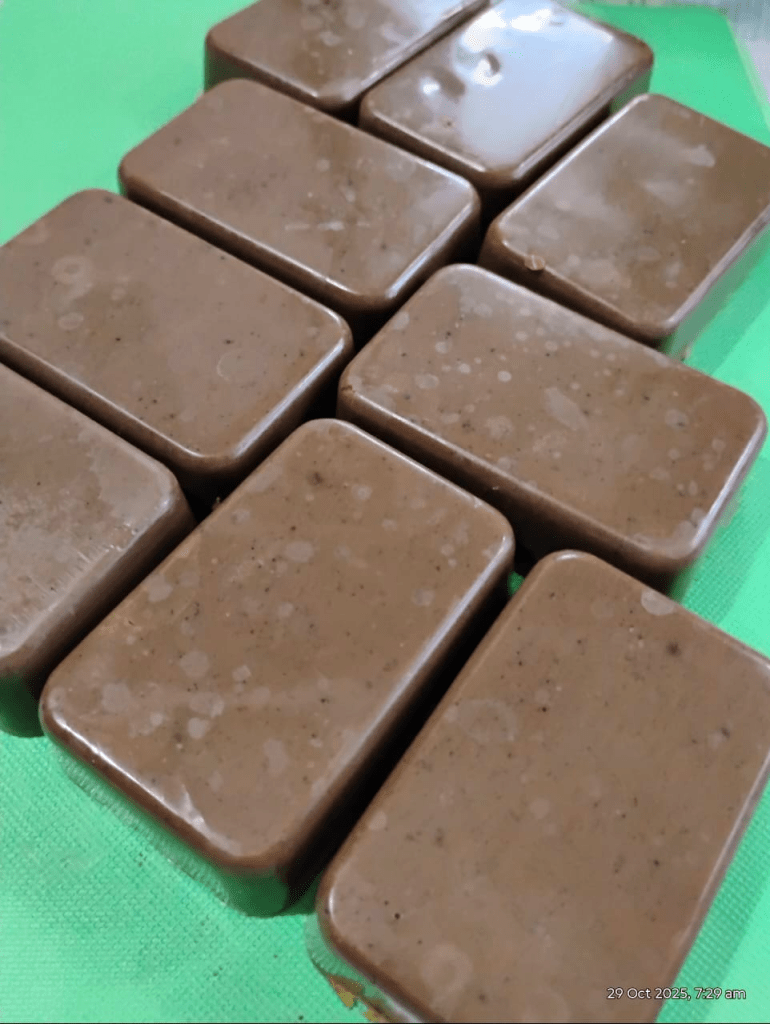
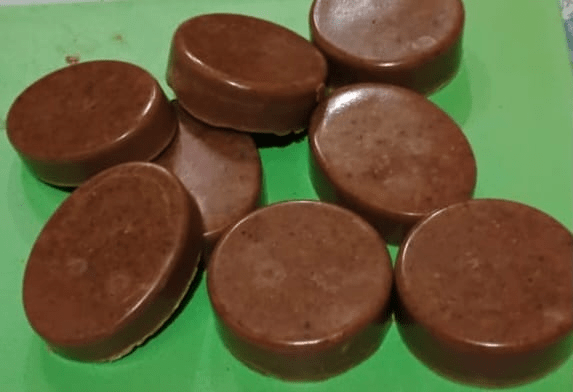
केसांसाठी रसायनयुक्त साबण किंवा शैम्पू वापरणे टाळावे, कारण त्यामुळे केसांतील नैसर्गिक तेल निघून जाते आणि केस कोरडे, ठिसूळ होऊ शकतात. त्याऐवजी, शिकेकाई, रिठा, आवळा साबण सारखे नैसर्गिक साबण वापरावेत जे केस स्वच्छ करतात आणि नैसर्गिक तेल न काढता मऊपणा टिकवून ठेवतात.
केसांसाठी रासायनिक साबण वापरण्याचे तोटे :
सामान्य साबण केसांतील नैसर्गिक तेल काढून टाकतो, ज्यामुळे केस कोरडे आणि कुरळे होतात.
pH पातळीत असंतुलन: साबणांचा pH जास्त असतो, ज्यामुळे केसांची नैसर्गिक आम्लता बिघडते आणि केस कमकुवत होतात.
केसांच्या समस्या: यामुळे कोंडा, खाज आणि केस गळण्याची समस्या उद्भवू शकते.
केसांसाठी योग्य घटक: केसांचे आरोग्य सुधारते आणि ते चमकदार व मुलायम बनतात.
शिकेकाईचे फायदे – नैसर्गिक क्लीन्झर असल्याने टाळू आणि केसांतील अशुद्धी काढून टाकतो, पण नैसर्गिक तेल कमी करत नाही.टाळूला सौम्यपणे स्वच्छ करते आणि नैसर्गिक पीएच संतुलन राखते. केसांमधील घाण आणि अतिरिक्त तेल काढून टाकते.केस कोरडे न करता स्वच्छ करते.
मेहंदीचे फायदे – केसांना नैसर्गिकरीत्या रंग देते, केसांची वाढ होण्यास मदत करते, केसांना मजबूत आणि चमकदार बनवते.
आवळ्याचे फायदे – केस गळणे कमी करते, अकाली केस पांढरे होण्यास प्रतिबंध करते, केसांना मजबूत आणि निरोगी बनवते.
रिठ्याचे फायदे – केसांना नैसर्गिक चमक आणि मुलायमपणा देतो, केसांमधील कोंडा आणि घाण काढण्यास मदत करतो, केसांना नैसर्गिकरीत्या स्वच्छ करते.
केसांसाठी योग्य साबण : हे सर्व घटक एकत्र वापरल्यास केसांचे आरोग्य सुधारते आणि ते चमकदार व मुलायम बनतात. केसांना चमकदार आणि मुलायम बनवण्यासाठी हे मिश्रण खूप उपयुक्त आहे. एकत्र वापर करण्याचे फायदे हे सर्व घटक एकत्र वापरल्यास केस गळती थांबते आणि केस लांब व दाट होतात.
शिकेकाई, मेहंदी, आवळा आणि रिठा यांचा वापर केल्याने –
पूर्वीचे लोक आंघोळी करताना दगड वापरत कारण ते त्वचेवरील घाण आणि मृत पेशी घासून काढण्यासाठी वापरत असत. या प्रक्रियेमुळे त्वचा स्वच्छ, गुळगुळीत आणि निरोगी राहण्यास मदत होत असे.
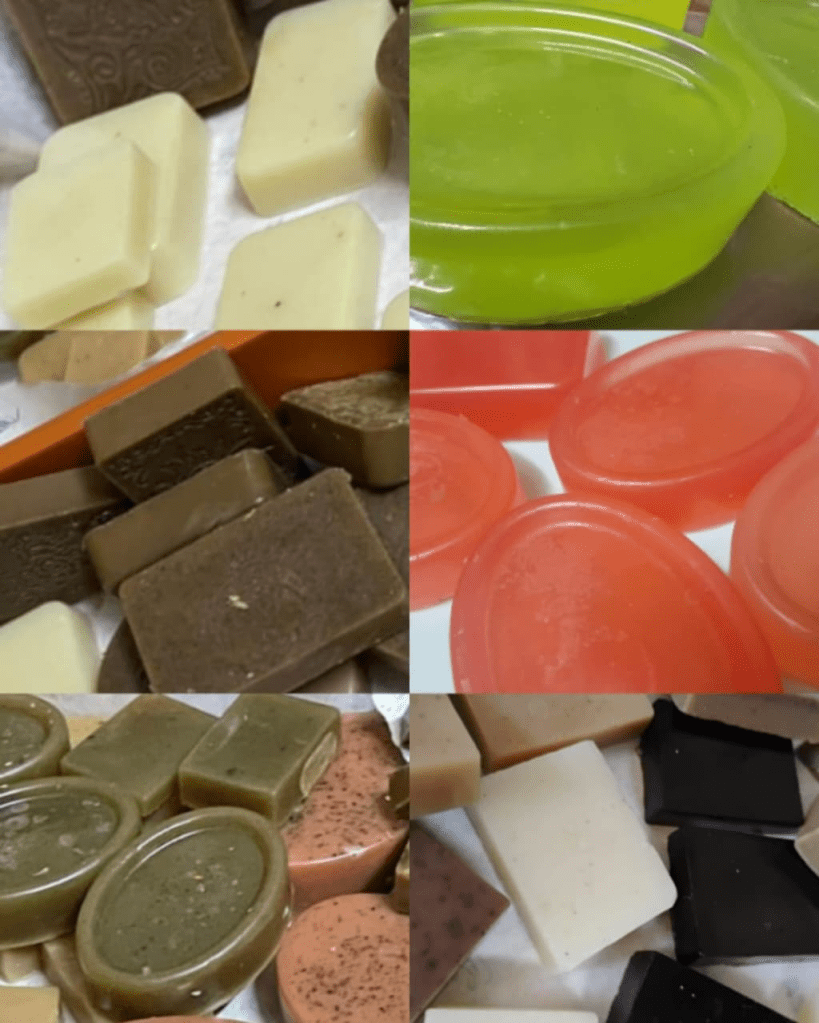
तेच काम Scrubber soap करतात –
त्वचेवरील मृत पेशी काढणे, त्वचा उजळणे आणि मुलायम करणे.
हे साबण त्वचेतील छिद्रं स्वच्छ करतात, काळपट डाग कमी करतात आणि त्वचेला ओलावा देतात.
रक्ताभिसरण सुधारण्यासाठी: पायांना आणि शरीराला घासल्याने रक्ताभिसरण सुधारते, ज्यामुळे ताजेतवाने वाटते.
नैसर्गिक स्वच्छता: नैसर्गिक घटकांमुळे साबण त्वचेची स्वच्छता करण्याचे नैसर्गिक आणि स्वस्त साधन आहे.
स्क्रबर सोप वापरण्याचे फायदे:
मृत त्वचा काढून टाकते: हे साबण त्वचेवरील मृत पेशी काढून टाकण्यास मदत करतात, ज्यामुळे त्वचा ताजीतवानी आणि निरोगी राहते.
त्वचा उजळवते आणि मुलायम करते: मृत पेशी निघून गेल्यामुळे त्वचा अधिक नितळ आणि मऊ होते.
छिद्रं स्वच्छ करते: हे साबण त्वचेतील सूक्ष्म छिद्रं उघडून त्यांना स्वच्छ करतात.
काळपट डाग कमी करते: काही स्क्रबर सोप काळे डाग कमी करण्यास मदत करतात.
त्वचेला ओलावा देते: अनेक स्क्रबर सोपमध्ये शिया बटर, खोबरेल तेल आणि ग्लिसरीन यांसारखे घटक असतात, जे त्वचेला ओलावा देतात.
त्वचेची काळजी घेते: काही साबणांमध्ये हळद आणि कडुलिंब यांसारखे नैसर्गिक घटक असतात, ज्यामुळे त्वचेला फायदा होतो.
वेळेची बचत करते: नियमित स्क्रब करण्यासाठी वेळ काढणे शक्य नसेल, तर स्क्रबर सोपचा वापर करून त्वचेला नियमितपणे स्क्रब करता येते.
मात्र, अति वापर टाळावा. हफ्तातून 2 किंवा 3 वेळाच वापरावा.
Skin is the body’s largest organ, acting as a protective outer covering that shields against germs, injuries, and UV light. It has several crucial functions, including regulating body temperature, preventing water loss, and allowing for the sensation of touch, heat, and cold.
The skin is made of three layers—epidermis, dermis, and hypodermis—and is a key part of the integumentary system, which also includes hair, nails, and glands.
Functions of the skin :
Protection: Acts as a physical barrier against bacteria, chemicals, and other environmental factors.
Temperature regulation: Helps regulate body temperature through blood vessels and sweat glands.
Sensation: Contains nerve endings that allow you to feel things like touch, pain, and temperature.
Vitamin D production: Produces vitamin D when exposed to sunlight.
Water and fat storage: Stores water and fat for the body.
Skin protection :
To protect your skin, limit sun exposure during peak hours (10 a.m. to 2 p.m.), wear protective clothing and hats, use broad-spectrum sunscreen, and stay hydrated.
Stay out of direct sunlight, especially during peak hours.
Wear sun-protective clothing, wide-brimmed hats, and sunglasses that block UV rays.
Use suitable soaps for your skin.
Use gentle moisturizers to prevent dryness.
Drink plenty of water to help keep your skin hydrated.
A healthy diet supports overall skin health.
Bathe in warm, not hot, water and use mild cleansers. Avoid scrubbing harshly.
Stress can negatively affect your skin, so find ways to manage it.
लठ्ठपणा हा एक विकार आहे. ज्यामध्ये शरीरात जास्त चरबी असते, ज्यामुळे आरोग्यास धोका वाढतो. लठ्ठपणा हा एक जटिल रोग आहे, ज्यामध्ये शरीरात जास्त प्रमाणात चरबी जमा होते, ज्यामुळे विविध आरोग्य समस्या उद्भवू शकतात. हे 30 किंवा त्याहून अधिक बॉडी मास इंडेक्स (BMI) म्हणून परिभाषित केले जाते.
एखाद्या व्यक्तीचा बॉडी मास इंडेक्स (BMI) २५ किंवा त्यापेक्षा जास्त असेल तेव्हा लठ्ठपणा येतो. शरीरातील जास्त चरबीमुळे गंभीर आरोग्य समस्यांचा धोका वाढतो.
बीएमआय व्यतिरिक्त, लठ्ठपणा मोजण्यासाठी इतर घटक –
कंबरेचा घेर म्हणजे तुमच्या कंबरेचे मोजमाप. ओटीपोटात जादा चरबी, कंबरेच्या घेराने मोजली जाते, हे वाढत्या आरोग्य धोक्यांशी संबंधित आहे. (शिफारस केलेला कंबरेचा घेर: प्रौढ पुरुषांसाठी, कंबरेचा घेर 40 इंचांपेक्षा कमी असण्याची शिफारस केली जाते आणि महिलांसाठी, 35 इंचांपेक्षा कमी)
कंबर-टू-हिप गुणोत्तर कंबर आणि हिपभोवती चरबी वितरणाची तुलना करते, उच्च गुणोत्तर जास्त आरोग्यस धोके दर्शवितात.
अतिरीक्त चरबी म्हणजे शरीरात जास्त चरबी असणे, जे आरोग्यावर नकारात्मक परिणाम करू शकते.
लठ्ठपणासाठी कारणीभूत जीवनशैली घटक:
जास्त कॅलरी असलेले आहार, प्रक्रिया केलेले पदार्थ आणि साखरयुक्त पेये वजन वाढण्यास कारणीभूत ठरतात.
शारीरिक हालचालींचा अभाव आणि बैठी जीवनशैलीमुळे लठ्ठपणाचा धोका वाढतो.
अपुरी झोप भूक नियंत्रित करणारे हार्मोन्समध्ये व्यत्यय आणू शकते.
आनुवंशिकता: भूक आणि चरबी साठवण्यावर प्रभाव टाकू शकतात.
इतर घटक: वैद्यकीय परिस्थिती, औषधे आणि पर्यावरणीय घटक देखील भूमिका बजावू शकतात.
लठ्ठपणाच्या पाच लक्षणांचा समावेश होतो: जास्त वजन वाढणे, धाप लागणे, घाम येणे, घोरणे, झोपायला त्रास होणे आणि पाठ किंवा सांधे दुखणे.
लठ्ठपणा हा टाईप 2 मधुमेह, हृदयरोग, विशिष्ट कर्करोग यासह असंख्य रोगांसाठी एक प्रमुख घटक आहे.
जीवनाची कमी गुणवत्ता: लठ्ठपणा शारीरिक आणि मानसिक आरोग्यावर नकारात्मक परिणाम करू शकतो, ज्यामुळे सामाजिक आणि जीवन जगण्याची गुणवत्ता कमी होऊ शकते.
चुकीची आहार पद्धती, बैठी जीवनशैली आणि सामाजिक-आर्थिक बदल या घटकांमुळे भारतातील लठ्ठपणा ही वाढती चिंता आहे. शहरीकरण आणि desk नोकऱ्यांमुळे कमी झालेल्या शारीरिक हालचालींसह प्रक्रिया केलेले खाद्यपदार्थ आणि साखरयुक्त पेये यांचे प्रमुख योगदान आहे. याव्यतिरिक्त, अनुवांशिकता, तणाव आणि काही औषधे देखील भूमिका बजावता.
लठ्ठपणाच्या बाबतीत भारत जागतिक स्तरावर दुसऱ्या क्रमांकावर आहे.
भारतात, लठ्ठपणा ही वाढती चिंता आहे, ज्यामध्ये प्रौढ आणि मुले दोघांमध्ये लक्षणीय वाढ होत आहे. अंदाजे 24% भारतीय महिला आणि 23% भारतीय पुरुष लठ्ठ आहेत.
उपचार:
उपचारांमध्ये जीवनशैलीतील बदलांचा समावेश होतो. उपचारांचा मुख्य आधार म्हणजे जीवनशैलीत बदल जसे की आहार आणि व्यायाम.
जीवनशैलीत बदल:
आहारातील बदल: संतुलित, पोषक आणि कॅलरी-नियंत्रित आहार.
वाढलेली शारीरिक क्रिया : एरोबिक वर्कआऊट (जसे की वेगाने चालणे, पोहणे किंवा सायकल चालवणे) आणि नियमित व्यायाम.
Behaviour थेरपी: हे व्यक्तींना चुकीचे खाणे आणि क्रियाशीलता ओळखण्यास आणि सुधारित करण्यास तसेच,शाश्वत जीवनशैलीतील बदल करण्यास मदत करते.
Obesity is a disorder involving excessive body fat that increases the risk of health problems. Obesity often results from consuming more calories than are expended through exercise and normal daily activities.
Obesity is a complex disease characterized by excessive fat accumulation in the body, which can lead to various health problems. It’s defined as a Body Mass Index (BMI) of 30 or higher. While often associated with being overweight, obesity is distinct and signifies a higher level of body fat that poses significant health risks.
Obesity occurs when a person’s body mass index (BMI) is 25 or greater. Excessive body fat increases the risk of serious health problems.
Other than BMI, other factors to measure obesity –
Waist circumference is the measurement of your waist at its narrowest point, typically around your belly button. Excess abdominal fat, measured by waist circumference, is associated with increased health risks. (Recommended Waist Circumference: For adult men, a waist circumference below 40 inches is generally recommended, and for women, below 35 inches)
Waist-to-Hip Ratio compares fat distribution around the waist and hips, with higher ratios indicating greater health risks.
Excess fat means the presence of excessive body fat, which can negatively impact health.
Lifestyle factors that cause obesity:
Diet: Diets high in calories, processed foods, and sugary drinks contribute to weight gain.
Physical Activity: Lack of physical activity and sedentary lifestyles increase the risk of obesity.
Sleep: Inadequate sleep can disrupt hormones that regulate appetite and metabolism.
Genetics: Genes can influence metabolism, appetite, and fat storage.
Other Factors: Medical conditions, medications, and environmental factors can also play a role.
Five symptoms of obesity include: excessive weight gain, shortness of breath, increased sweating, snoring, and difficulty sleeping. People may experience pain in the back or joints.
Health Risks: Obesity is a major risk factor for numerous diseases, including type 2 diabetes, heart disease, certain cancers, and more.
Increased Risk of Chronic Diseases: Obesity is a significant risk factor for type 2 diabetes, heart disease, stroke, certain cancers, and other conditions.
Reduced Quality of Life: Obesity can negatively impact physical and mental health, leading to social isolation and discrimination.
Obesity in India is a growing concern, driven by a combination of factors including unhealthy dietary patterns, sedentary lifestyles, and socioeconomic shifts. Increased consumption of processed foods, sugary drinks, and larger portion sizes, coupled with reduced physical activity due to urbanization and desk jobs, are major contributors. Additionally, genetic predisposition, stress, and certain medications can also play a role.
India ranked second globally in overweight and obesity cases.
In India, obesity is a growing public health concern, with significant increases in both adults and children. Approximately 24% of Indian women and 23% of Indian men are overweight or obese.
Treatments:
Treatment consists of lifestyle changes. The mainstay of treatment is lifestyle changes such as diet and exercise.
Lifestyle Modifications:
Dietary Changes: A balanced, calorie-controlled diet, often involving a registered dietitian’s guidance, is crucial. This may involve reducing portion sizes, choosing nutrient-rich foods, and increasing fiber intake to support a healthy diet.
Increased Physical Activity: Regular exercise, including both aerobic activity (like brisk walking, swimming, or cycling) and strength training, is essential for burning calories and building muscle mass.
Behavioral Therapy: This helps individuals identify and modify unhealthy eating and activity patterns, develop coping strategies for triggers, and build motivation for sustained lifestyle changes.
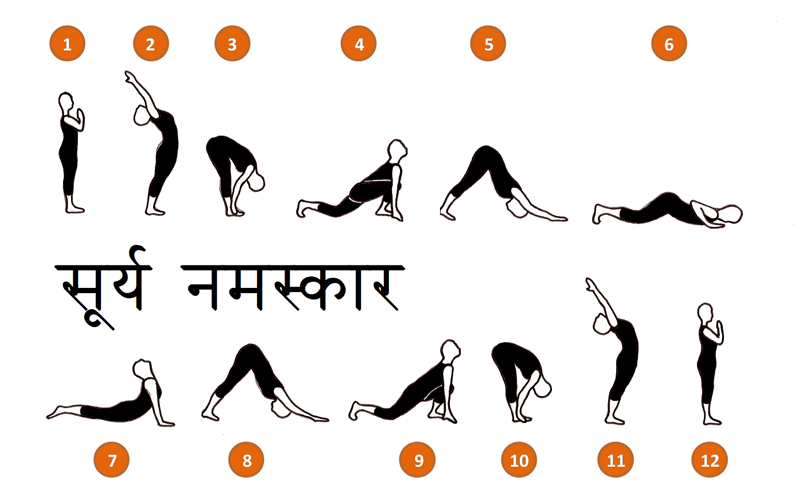
Surya Namaskar or Sun Salutation is a sequence of 12 powerful yoga poses. These poses consist of 8 asanas and 4 asanas are repeated. All the 12 steps are done in proper sequence to complete the process of one round of Surya Namaskar. Besides being a great cardiovascular workout, Surya Namaskar is also known to have an immensely positive impact on the body and mind.
Besides good health, Surya Namaskar also provides an opportunity to express gratitude to the sun for sustaining life on this planet.
The name, Surya Namaskar is from the Sanskrit सूर्य Sūrya, “Sun” and नमस्कार Namaskāra, “Greeting” or “Salute”. Surya is the Hindu god of the sun. This identifies the Sun as the soul and source of all life.
According to legend, the yoga sequence known as Surya Namaskar, or Sun Salutation, originated for Hanuman to show his gratitude to his teacher, the sun god Surya, so he created a series of graceful movements to honor his teacher. The sequence of movements became known as Surya Namaskar, a way to celebrate the Sun god and Hanuman.
The Sun Salutation is often practiced at the beginning of a yoga session. When you practice Surya Namaskar, it’s not only a tribute to the Sun God (the Guru) but also a sign of respect for Lord Hanuman (the Shishya), the greatest devotee of Lord Ram.
Indian tradition connects the 17th-century saint Samarth Ramdas with Surya Namaskara exercises.
Surya Namaskar is a complete body workout that boosts flexibility, strength, and stamina. This yoga sequence involves a series of postures and breathing exercises. It stretches your muscles, making you more flexible, while also building your physical strength. Plus, it enhances your endurance over time.
Benefits of doing Surya Namaskar daily
These twelve Surya Namaskar steps improve health and have multiple other benefits, which include –
Promotes cardiovascular wellness, which brings a glow to your face; improves the elasticity of the skin, thus preventing the onset of wrinkles, and makes your skin look radiant.
Activates the nerve system
Aids in muscle stretching, flexing, and toning
It helps in controlling weight. Regularly practicing Surya Namaskar can help with weight loss and keeping a healthy body weight. This is because Surya Namaskar is a holistic exercise that burns calories, boosts metabolism, and improves digestion. By doing it regularly, you can shed excess weight and maintain a balanced body weight.
Improves immune system performance
Improves cognitive abilities
It enhances general health, builds muscle, and calms the mind.
Enhances the smooth functioning of your digestive system.
Support in developing a steady and comfortable meditation posture.
Suryanamaskara has developed into a practice of twelve postures that weave together to generate prana (subtle energy), aiming towards the purification and rejuvenation of the practitioner.
Suryanamaskara has a holistic effect and brings body, mind, consciousness, and soul into balance.
The ideal time to perform Surya Namaskar is during sunrise while facing towards the sun. Even if you miss your Surya Namaskar during sunrise/morning). Just make sure you do it with an empty stomach and don’t miss your Surya Namaskar practice.
दोन्ही निकाल (एचएससी आणि एसएससी) जाहीर झाल्यामुळे, भविष्यातील करिअर योजना ठरवण्याची वेळ आली आहे. हा जीवनातील एक महत्त्वाचा निर्णय आहे. त्यातून विद्यार्थ्यांचे भविष्य घडते.
अनेकांच्या मते, करिअर तुम्हाला चांगले कमावण्यास मदत करते आणि तुमचा सामाजिक दर्जा वाढवण्यास मदत करते. पण, स्पष्टपणे सांगायचे तर ते पूर्ण सत्य नाही. करिअर हे असे आहे की ज्याचा तुम्ही उत्कटतेने पाठपुरावा करू शकता आणि तुम्हाला जीवन जगण्याचे समाधान देते.
मी अनेक वर्षांपासून करिअर समुपदेशक आणि प्रशिक्षक म्हणून काम करत आहे. अद्वितीय गुण असलेले अनेक विद्यार्थी मला भेटले. मी त्यांच्याकडे असलेल्या चांगल्या गुणांवर काम करण्याचा प्रयत्न करतो, त्यांना त्यांच्या करिअरच्या मार्गावर जाण्यास मदत करतो.
मला पालक आणि विद्यार्थ्यांकडून करिअरविषयी सूचना विचारणारे अनेक कॉल येतात. करिअरचा प्रत्येक पर्याय चांगला आहे असे मला वाटते. विविधता म्हणजे सौंदर्य. कोणताही देश आणि समाज वेगवेगळ्या क्षेत्रात काम करणाऱ्या अनेक लोकांचा समावेश असतो. प्रत्येक पालकाने ते समजून घेणे आवश्यक आहे. समजूतदारपणाचा अभाव अनेक विद्यार्थ्यांच्या करिअरला बाधा आणतो. पैसे कमवण्याची प्रवृत्ती हा एक चांगला निकष असू शकतो, परंतु तो एकमेव असू नये.
आपण आयुष्यात अशा अनेक घटना पाहिल्या आहेत ज्यात अनेक विद्यार्थी एसएससी आणि एचएससीमध्ये चांगले गुण मिळवूनही त्यांच्या पालकांनी निवडलेल्या करिअरच्या मार्गात उत्कृष्ट कामगिरी करू शकले नाहीत. कारणे अनेक आहेत, जसे की – अनेक पालक आपल्या मुलांसाठी करिअरचा मार्ग ठरवताना सुशिक्षित आणि यशस्वी मित्र/नातेवाईकांची मदत घेतात, ज्यांना मुलांबद्दल काहीच समज नसते; अनेक पालकांना त्यांच्या मुलांनी त्या करिअर पर्यायांचा पाठपुरावा करावा असे वाटते जे करण्यात ते अपयशी ठरतात; अनेक पालकांना त्यांच्या मुलांनी आपल्या मुलांना काय आवडते यापेक्षा त्यांना आवडणारे करिअर करावे असे वाटते.
त्याऐवजी, पालकांनी आपल्या मुलांना समजून घेतले पाहिजे किंवा त्यांना त्यांच्या करिअरचा मार्ग समजून घेण्यासाठी मदत केली पाहिजे. एक चांगले करिअर कोचिंग किंवा करिअर समुपदेशन सत्र विद्यार्थ्याच्या करिअरचा कल समजून घेण्यासाठी अधिक उपयुक्त ठरेल.
यशस्वी करिअरसाठी व्यक्तिमत्त्वाची वैशिष्ट्ये, छंद, विचार, आवडी आणि कौशल्ये यांचा विचार केला पाहिजे. जर प्रत्येक पालकाने ही साधी गोष्ट समजून घेतली तर ते आपल्या मुलांना त्यांच्या करिअर आणि जीवनात आनंदी आणि समृद्ध होण्यास मदत करतील…✍️
After SSC (10th grade) / HSC (12th grade), students can pursue various vocational courses, diploma programs, or continue their academic studies in high school. After 10th and 12th, several courses offer excellent opportunities for career development and higher education :
ITI (Industrial Training Institute) Courses: These courses offer practical training in various trades like electrician, electronic mechanic, COPA, fitter, mechanic, welder, plumber, and many other. ITI stands for Industrial Training Institute, a type of vocational school in India that provides practical, hands-on training in various trades and skills. ITIs offer courses ranging from a few months to two years, focusing on skills development for industry employment. They are overseen by the Directorate General of Training (DGT) within the Ministry of Skill Development and Entrepreneurship.
Diploma in Engineering: Diplomas are available in various engineering fields, including computer, automobile, and mechanical engineering. These courses provide a foundational understanding of various engineering disciplines (e.g., Mechanical, Electrical, Civil, Computer Science) and can lead to entry-level jobs in various industries. A Diploma in Engineering is a 3-year course, often referred to as a Polytechnic program, that provides a foundation in engineering principles and skills. It’s equivalent to the first two years of a bachelor’s degree in engineering (B.E. or B.Tech). Students can pursue various engineering specializations, including Civil, Mechanical, Electrical, and Computer Science. Diploma holders can enter the workforce as junior engineers or pursue further education, such as lateral entry into the second year of a B.E./B.Tech program.
Paramedical Courses: These courses offer specialized training in medical fields like Medical Lab Technology (MLT), and can lead to roles in hospitals and healthcare facilities. This course focuses on medical laboratory procedures and techniques. DMLT stands for Diploma in Medical Laboratory Technology. It is a two-year diploma course that focuses on the principles and practical skills of medical laboratory science. The course prepares individuals to work as medical laboratory technicians or technologists in various healthcare settings.
Computer Courses: Options like Digital Marketing, Graphic Designing, and Computer Applications offer skills that are highly sought after in the digital age, with opportunities in various industries.
Diploma in Computer Applications (DCA): A Diploma in Computer Applications (DCA) is a short-term, vocational program that provides a foundational understanding of computer applications and related skills. It’s typically a 6-month to 1-year course, equipping individuals with practical knowledge and skills for entry-level roles in the IT sector or for enhancing computer literacy.
Diploma in Graphic Design is a short-term, practical course focused on developing skills for visual communication. It typically covers design principles, software proficiency, and various design applications. The course can help individuals gain a foundational understanding of graphic design and prepare them for entry-level roles or further studies.
Diploma in Hotel Management: This course provides practical training in hospitality, catering, and tourism, preparing students for careers in hotels, resorts, and other hospitality settings. A Diploma in Hotel Management is a professional course that provides students with the knowledge and skills necessary for a career in the hospitality industry. It is a shorter, more focused alternative to a bachelor’s degree, typically lasting 1-3 years, and equips graduates with practical skills in areas like food and beverage, front office operations, and housekeeping.
Diploma in Fashion Design: A Diploma in Fashion Design is a vocational course that equips students with practical skills and knowledge to pursue careers in the fashion industry. It covers various aspects like design, garment construction, textiles, pattern making, and fashion marketing. The course helps students develop creative, design, and visualization skills, making them suitable for various roles in the fashion world.
Diploma in Interior Design: A Diploma in Interior Design is a professional program that teaches individuals the art and science of enhancing interior spaces to make them aesthetically pleasing, functional, and safe. These programs typically cover topics like design fundamentals, color theory, material selection, and the use of various design software. Diploma programs can range from one to three years, depending on the specific institution and program structure.
Diploma in agriculture: A Diploma in Agriculture is a short-term, vocational program that provides practical and theoretical knowledge in modern agricultural practices. It typically covers areas like crop production, soil science, pest management, and agricultural machinery. The program can be completed in one or two years and is often pursued after 10th grade or equivalent.
Science:
Engineering: B.Tech/BE in various specializations like Computer Science, Mechanical, Civil, and Electrical Engineering.
Medicine: MBBS (Bachelor of Medicine and Bachelor of Surgery), BDS (Bachelor of Dental Surgery), B.Pharm (Bachelor of Pharmacy), B.Sc. in Nursing, etc.
Other Sciences: B.Sc. in Biotechnology, Food Science, Nutrition, Chemistry, Physics etc.
Arts:
Humanities: B.A. in various subjects like English, History, Political Science, Psychology, Economics, etc.
Creative Arts: B.Sc. in Fashion Design, Bachelor of Journalism and Mass Communication (BJMC), Bachelor of Hotel Management (BHM), etc.
Other Options: B.Sc. in Hospitality Studies, Bachelor of Social Work (BSW), Bachelor of Event Management, etc.
Commerce:
Business and Management: BBA (Bachelor of Business Administration), B.Com (Bachelor of Commerce).
Accounting and Finance: Courses related to chartered accountancy, accounting, and finance are also popular.
Other Options: Bachelor of Economics (B.A. in Economics), etc.
Entrance Exams: Many universities and institutions require entrance exams like JEE Mains, NATA, BITSAT, etc. for admission to specific courses.
Factors to consider when choosing a course:
Interests and Career Goals: Choose a course that aligns with your interests and desired career path.
Research: Explore different courses and their career prospects.
Job Market Demand: Consider courses that are in demand and offer good job prospects.
Course Duration and Cost: Evaluate the length of the course and the associated costs to ensure it fits your needs and budget.
Institution Reputation: Choose a reputable institution with a good track record of student success.
Consider Your Strengths and Weaknesses: Choose a course that aligns with your academic abilities and interests.
Talk to Mentors: Seek advice from teachers, counselors, and professionals in your field of interest.



 ABLES INDIA